Does the air in your home feel perpetually stale, carrying a faint, musty scent that seems to cling to your clothes? If so, you might be dealing with more than just a stuffy atmosphere—you could be facing the unseen dangers lurking within your HVAC system. Mold and mildew growth in air ducts are serious issues, impacting air quality, potentially triggering allergies, and, frankly, making your indoor environment feel like a damp, forgotten basement.
For homeowners in Sydney, where humidity and seasonal changes can create perfect breeding grounds for fungal growth, proactive maintenance is not just a recommendation—it's a necessity. Understanding how to approach preventing mold in HVAC ducts Sydney cleaning is the first step toward breathing easier and enjoying truly fresh air. This comprehensive guide will walk you through the science, the solutions, and the best practices to keep your air system clean, safe, and humming along efficiently.
Why Air Duct Mold is a Sydney Homeowner's Concern
Air conditioning and heating systems are marvels of modern engineering, designed to keep us comfortable. However, they are also essentially giant, temperature-controlled vacuums that pull air through ducts, coils, and filters. If these components accumulate dust, moisture, and organic debris, they transform into a perfect, nutrient-rich sludge for mold to feast upon.
The Mechanics of Mold Growth
Mold doesn't just appear; it needs three things to thrive: a food source (dust, dirt, dead skin), moisture (condensation, high humidity), and ideal temperature. In Sydney's variable climate, especially during periods of high humidity, your ducts become a prime real estate spot for these fungi.
The ductwork itself is often dark, hard-to-reach, and prone to condensation, especially at cooler points. Think of the ducts as a forgotten riverbank—if the water (moisture) is constantly running, and the debris (dust) accumulates, mold is practically guaranteed to colonize the area.
Health Impacts: More Than Just a Bad Smell
The symptoms of mold exposure can range from minor irritation to serious respiratory issues. These are not just "allergic reactions"; they are signs that something in your breathing environment is compromised.
- Allergies and Irritation: Sneezing, itchy eyes, and runny noses are common culprits. Respiratory Issues: Chronic mold exposure can exacerbate conditions like asthma. The "Sick Building Syndrome": This general term describes occupants feeling unwell in a building, even when the building is technically sound. Poor air quality is often the primary culprit.
Understanding the Scope of Professional Cleaning
While DIY efforts—like changing filters—are vital, they are often merely putting a band-aid on a deep, systemic issue. When it comes to truly preventing mold in HVAC ducts Sydney cleaning, professional intervention is usually required.
What Professional Cleaning Involves
A comprehensive HVAC cleaning service is much more detailed than simply blowing out dust. It is a multi-stage process designed to address the root causes of mold growth and eliminate existing contaminants.
- Inspection: Technicians first perform a thorough inspection to identify sources of moisture, leaks, and visible mold buildup. Deep Cleaning: Specialized equipment (like negative air machines and industrial vacuums) is used to reach deep into the ductwork, removing accumulated sludge, mold spores, and dust bunnies. Disinfection: The final, critical step involves applying industrial-grade disinfectants and antimicrobial agents to neutralize remaining spores and prevent immediate regrowth.
DIY vs. Professional: Knowing Your Limits
It’s tempting to tackle this problem yourself, but ducts are complex systems. Attempting deep cleaning without proper ventilation and specialized equipment can be ineffective or, worse, spread spores throughout your home.
A professional service treats the duct system like a complex circulatory system that needs a thorough flushing and sterilization. They are the experts who can determine if the problem is localized (requiring a simple cleaning) or systemic (requiring structural repairs or dehumidification).
Strategic Prevention: Maintaining Clean Air Long-Term
The goal isn't just a one-time deep clean; it’s creating a sustainable habit of clean air management. Prevention is always easier (and less expensive) than remediation.

Maintaining Optimal Humidity Levels
The single most effective preventative measure is controlling moisture. Mold loves dampness. By keeping your home's relative humidity levels between 30% and 50%, you make the air less hospitable to fungal growth.
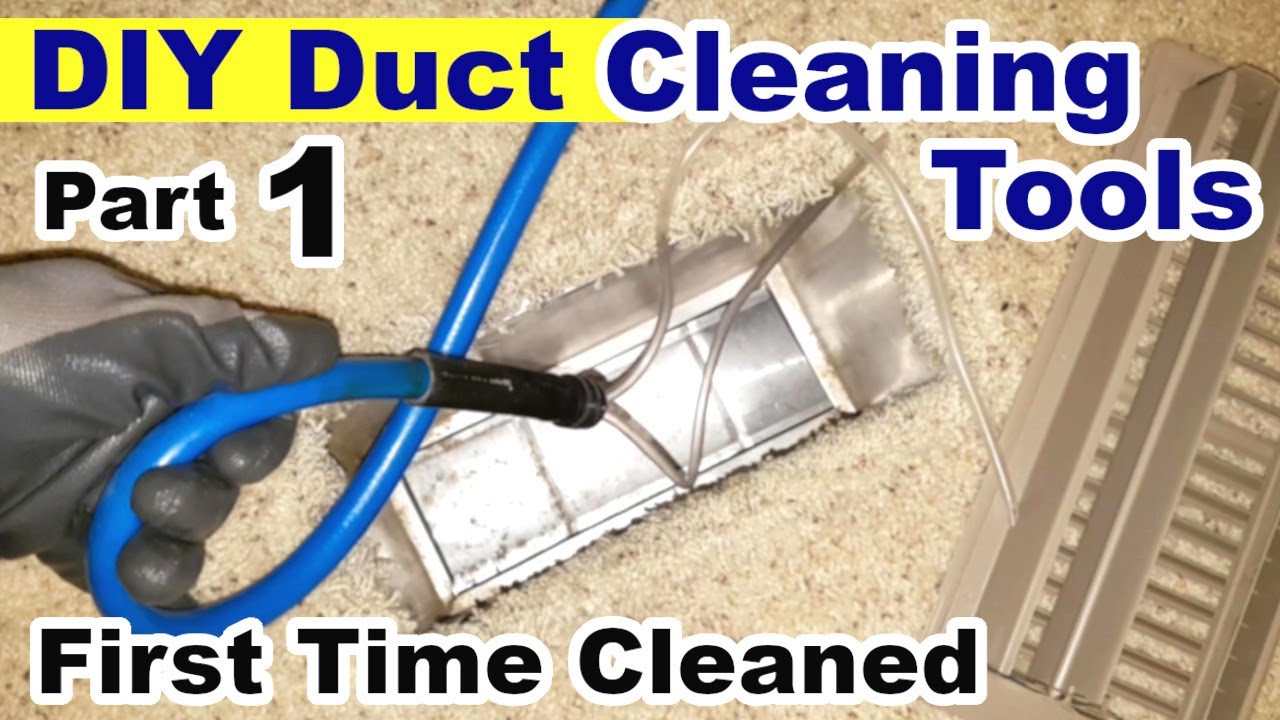
- Use Dehumidifiers: During wet Sydney seasons, running a dehumidifier can dramatically reduce the moisture available for mold to feed on. Ventilation: Always use exhaust fans when showering or cooking. This removes steam and humidity before it has a chance to seep into the duct system.
Routine Maintenance Schedule
Think of your HVAC system like a car: it needs regular oil changes and tune-ups to run smoothly.
- Filters: Change your HVAC filters according to the manufacturer's recommendations—or even more often if you have pets or allergies. This is the easiest, most overlooked step. Professional Check-Ups: Schedule annual professional inspections. This allows technicians to spot minor issues, like developing leaks or condensation buildup, before they escalate into a mold crisis.
Anecdote Alert: I once worked with a client who thought their musty smell was due to damp clothes, but after a professional inspection, we found a small, undetected condensate leak near a main return vent. Fixing that single leak solved the odor and saved the client from needing a full-scale duct replacement.
"Prevention, as they say, is better than cure." This applies perfectly to air quality. By staying ahead of the mold problem, you are protecting your family's respiratory health and your investment in your home.
Making Your Selection Count: Choosing the Right HVAC Partner
When it comes time to rangehood pressure cleaning Sydney address mold or simply maintain peak air quality, selecting a reputable, specialized cleaning company is paramount.
When vetting service providers for preventing mold in HVAC ducts Sydney cleaning, ensure they can demonstrate:
- Certification: Do they use recognized, safe, and effective cleaning chemicals? Equipment: Do they possess industrial-grade tools, including HEPA filtration vacuums and negative air pressure equipment? Guarantee: Do they offer a guarantee or follow-up plan? A good company stands behind its work.
By prioritizing professional care and incorporating smart, daily habits—like managing humidity and changing filters—you can transform your home from a potential mold trap into a sanctuary of fresh, clean air. Taking these steps isn't just about clearing mold; it's about optimizing your entire living experience. Isn't it time your home breathed easier?
HygieneXperts - Commercial & Residential Cleaning Services
61498203983
+61498203983